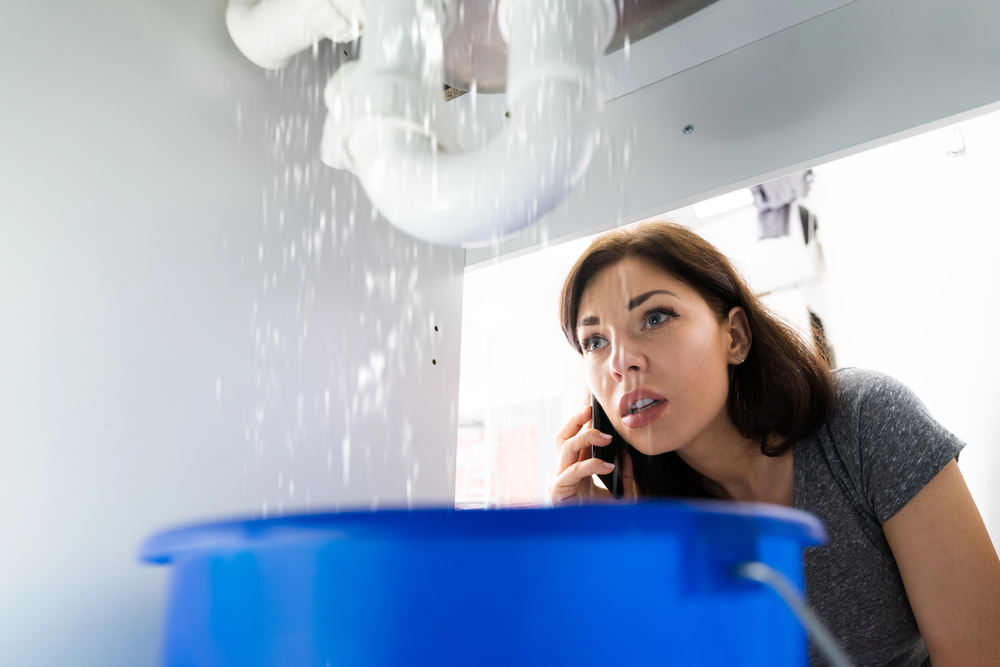
A Pennsylvania cold snap can leave you with frozen pipes, cracked outdoor faucets, or water damage when a pipe bursts. A few simple steps before freezing weather can help protect your home. Disconnect Hoses and Protect Hose Bibs Hose bibs are the outdoor faucets attached to your house. Remove garden hoses before freezing temperatures arrive so trapped water can drain. If your outdoor faucet has an indoor shutoff valve, close it and drain the outdoor line. Disconnect hoses from frost-free faucets, too. An insulated faucet cover adds protection, but it cannot replace proper draining. Insulate Pipes in Cold Areas Check water pipes in unheated basements, crawl spaces, and garages. Pipes near exterior walls are also vulnerable to freezing. Fit exposed pipes with pipe insulation and seal drafts near them. Insulation slows heat loss; it does not make pipes freeze-proof. Keep Warm Air Around Your Plumbing Keep your thermostat consistent during cold weather. If you leave town, keep the heat on and set it no lower than 55°F. During severe cold, open cabinet doors beneath sinks along exterior walls. Move cleaning products out of children’s reach. For exposed pipes at risk of freezing, letting the faucet run at a small trickle can help. Watch for Signs of Frozen Pipes Little or no water from a faucet during a cold snap may mean a frozen pipe. Call a plumber if you cannot locate or safely reach the frozen section. Never use a torch or open flame to thaw plumbing. Know where your main water shutoff valve is. If a pipe bursts, shut off the water immediately and arrange repairs. Address Plumbing Problems Before Winter A dripping hose bib or an unprotected pipe is easier to address before temperatures drop. Check these areas early rather than waiting for the first hard freeze. For plumbing repair and installation in Harrisburg, PA, contact W.C. Eshenaur and Son. Get help with existing problems and prepare vulnerable plumbing for winter.

A Holiday Letter From The Eshenaur Family
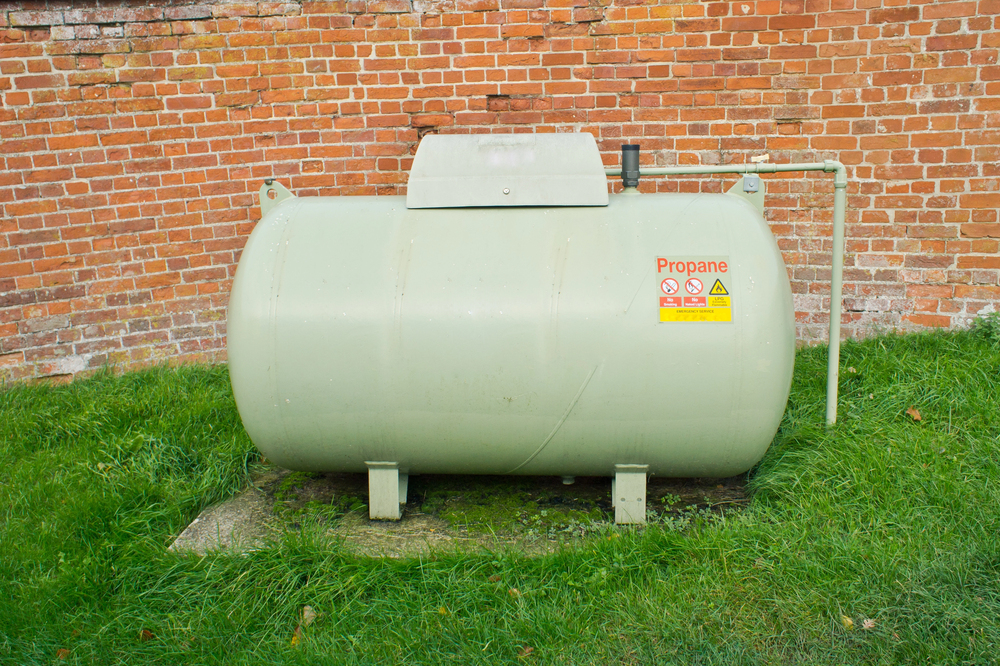
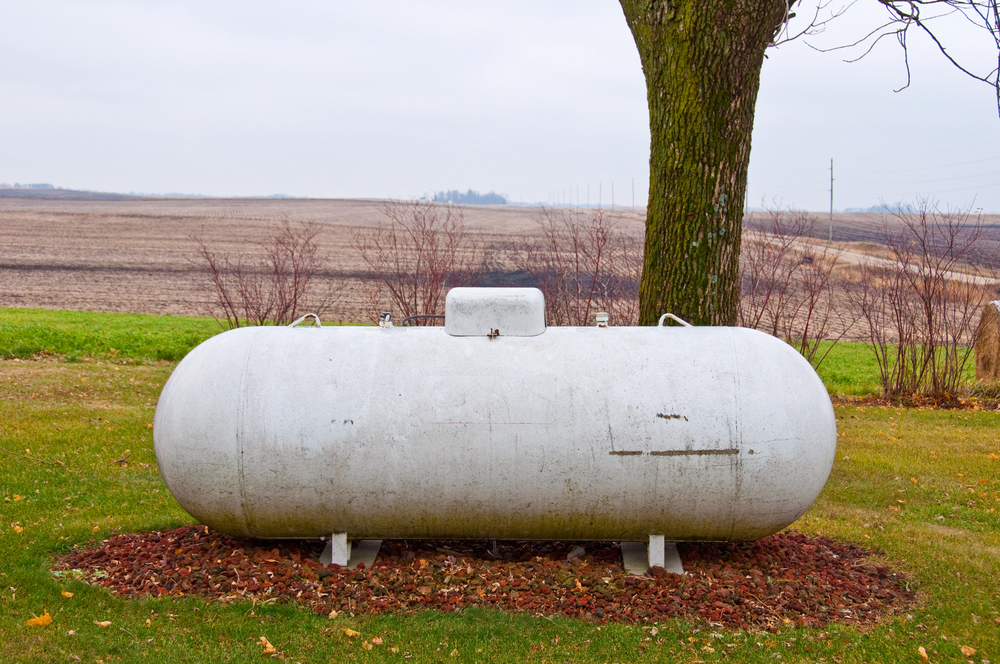
A Letter From The Eshenaur Family Dear Valued Customer, Fall is in full swing, meaning the holidays are on the way. Now is the perfect time to prepare your home and garden for the cold winter weather. Servicing your heating system and water heater now will give you the peace of mind that your home will remain warm and cozy all winter long. You can schedule a tune up service with us by calling (717) 236-5031. With the holidays fast approaching, everyone is looking to save some extra money. Inside this newsletter we have included tips on ways to save on your energy bill this winter. We can also help you balance your expenses with a fuel budget plan. You can find details in this newsletter and on our website at www.eshenaurs.com. As always, we would like to give our loyal customers a big thank you for choosing our team here at W. C. Eshenaur & Son to provide you with the reliable, friendly service you deserve. Thank you for your continued trust and patronage this year and the years to come. Have a wonderful fall and a happy holidays. Warm Regards, Craig & Wally Eshenaur Spread out your fuel payments evenly throughout the year with a budget plan from W.C. Eshenaur & Son, Inc.. Winter in Pennsylvania is some of the harshest in the country which brings correspondingly harsh winter energy bills. Instead of paying for most of your winter heating in two or three months, choose to evenly distribute payment throughout the year. For your new oil to gas conversion whole house heating system and installation purchased between 10/1/26 – 11/30/26. We are your one stop shop for propane and equipment. We handle everything from ordering the tank set and installing equipment to delivering propane. How It Works: We estimate the amount of fuel that your home will use throughout the year based on previous years’ usage, predicted weather, and home preferences. We take the total amount of fuel, divide it by 11 months, and this new number is your monthly fuel payment for the year. To make this plan even better for you, we let you choose if you’d rather be a will-call or automatic delivery customer. You choose the method of delivery that suits your family best, so you are ensured optimum comfort and stress-free care. Five Tips to Cut Energy Costs This Winter Weatherstrip your doors and windows: Your doors and windows can leak out more heat than you might imagine Give your heating system a yearly checkup: air‑flow problems such as dirty blower components can cut HVAC efficiency by up to 15 % Adjust your water heater’s temperature: For most people, keeping the temperature set at 120 degrees provides plenty of hot water. B undle up and get cozy: If you feel chilly, wear a sweater instead of cranking up the heat. Use LED light bulbs instead of CFL or incandescent: Residential LEDs—especially ENERGY STAR bulbs—use at least 75 % less energy and last up to 25 × longer than incandescents Repair Leaks and Drains If your drains are slow or you have leaks, get them repaired now before you have an emergency on a holiday. Locate Your Main Water Shut Off Valve Everyone in your household should know the location of the main shut-off valve. In case of an emergency, you may need to quickly know where the valve is and how to correctly shut it off. Store Outdoor Hoses Before the first frost, disconnect hoses, drain them, and store them in a dry place. This will not only help prevent pipe damage but extend the life of your hoses for the next season. Service Your Water Heater Flush the tank to remove sediment and check for leaks or signs of wear. Flushing the tank is an occasional part of maintenance. Checking for damage, rust, or leaks around your water heater is also very important at this time of year. Can You Answer These Brain Teasers? 1. What is full of holes but still holds water? 2. I’m not a blanket, yet I cover the ground; a crystal from heaven that doesn’t make a sound. What am I? 3. What do the letter “t” and an island have in common? 4. I sometimes run, but I can’t walk. What am I? 5. What thrives when you feed it but dies when you water it? Answers: 1. a sponge, 2. a snowflake, 3.they’re both in the middle of water. 4. a nose, 5. a fire.