Request Service


Call 717-236-5031 or fill out the form below.

Request Service

  • W.C. Eshenaur & Son, Inc.

Blog / W.C. Eshenaur & Son Inc. Service

Blog

All W.C. Eshenaur & Son Inc. Service HVAC Propane Delivery Newsletter Heating Oil Air Conditioning Tips & Tricks Plumbing Heating Maintenance Heating Systems Harrisburg Plumbing Service Backup Generator Emergency Plumbing Humidifiers and Dehumidifiers
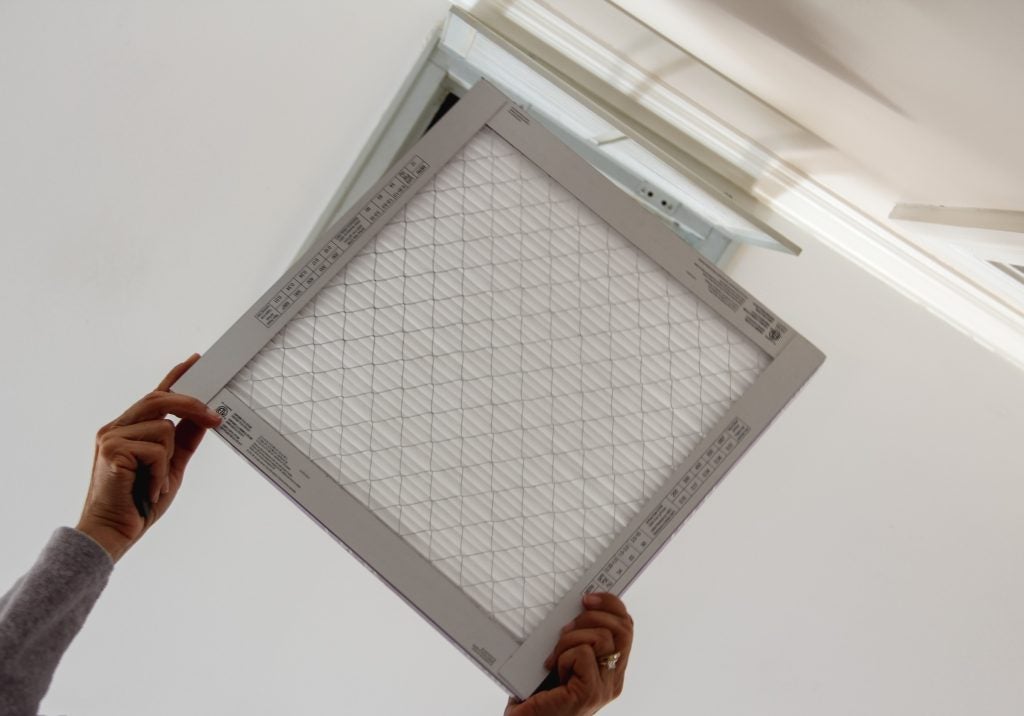
When to replace an HVAC air filter. WC Eshenaur and Son in PA.

How Often Should You Replace Air Filters in Your System?

Keeping your home comfortable here in Central Pennsylvania means paying attention to the little things that keep your HVAC system running right. One of the simplest yet most important tasks is staying on top of your A/C air filter replacement schedule. A clean filter helps everything work better and protects your system as well as your lungs. Why Your A/C Air Filter Replacement Schedule Matters Your HVAC system pulls air from inside your house, conditions it, and pushes it back out through the ducts. The air filter is there to catch dust, pollen, pet dander, and other particles before they circulate into the air you're breathing or reach the equipment to block it up. When you let a filter get too dirty, the system has to work harder to move the same amount of air. That extra effort raises your energy bills and puts more wear on the blower motor and other parts. A clogged filter can also make indoor air quality worse instead of better. You might notice more dust on surfaces or family members sneezing more often if you're not changing those filters at the right intervals. Different Filter Types and Their Lifespans Not all filters are the same. Basic 1-inch fiberglass filters are cheap, but they only last about 30 days in most homes, and while they can catch larger particles, they do let finer ones through. Pleated filters, which are more common now, do a better job and usually need changing every one to three months. Thicker filters, like four-inch or five-inch media filters, can go six to 12 months because they hold more; they do cost more upfront, though. Finally, you can get very high-efficiency filters with higher MERV ratings to trap the very smallest particles. This is really great for air quality, but these filters can restrict airflow if your system isn't designed for them. Always check what your manufacturer recommends for your specific unit or call us to make sure the filter you want to use works with your system. Factors That Affect How Often You Should Change Filters Households with multiple pets always need more frequent changes because fur and dander load up the filter. Smokers or people who cook a lot with oils see the same issue. Larger families or homes with lots of foot traffic tend to bring in more dirt from outside, and that can also mean you'll need to change things more often. Seasonal Considerations in Central PA In winter, when your furnace runs more, you'll need to check the filters more often because cold, dry air tends to stir up dust. In summer, air conditioning pulls in humidity and pollen, and this is also a key time for checking your filter. Spring and fall are good times for deeper maintenance. Staying proactive with your air filters is one of the smartest, lowest-cost things you can do for your HVAC system and your own respiratory health. If you're not sure where to start or want help picking the right filters for your setup, call W.C. Eshenaur & Son Inc. today. We're family-owned and operated and have been serving all of Central PA since 1928.
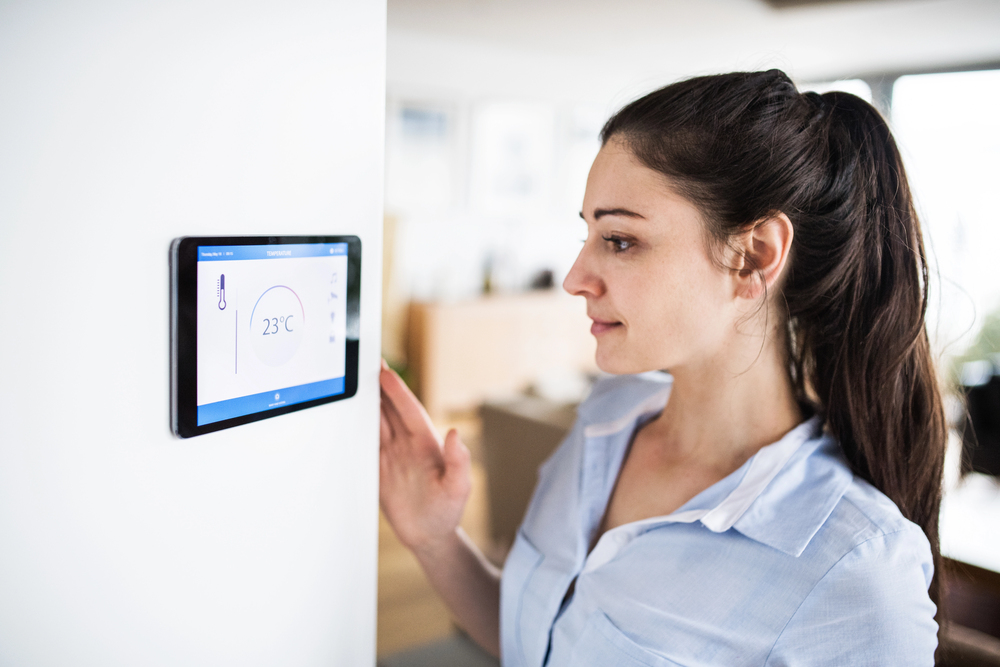
Programmable HVAC Smart Thermostat

What Benefits Come From Using a Programmable Thermostat?

Using a programmable thermostat can offer some real advantages for managing your home's heating and cooling. These devices are a great tool to help homeowners in Central Pennsylvania control their HVAC systems: here's some of the programmable thermostat benefits we see regularly. Programmable Thermostat Benefits and HVAC Efficiency Take Control of Your Schedule You don't need the house cooled or heated as much while everyone's away, but you also don't want to come home to a furnace in the summer or an ice box in the winter. A programmable thermostat lets you set different temperatures for various times of day and days of the week. This means your furnace or air conditioner runs only when it's needed, but you still wake up and come home to a comfortable house. See Real Energy Savings Energy savings is the biggest reason to make the switch. Turning your thermostat back by 7 to 10 degrees for about eight hours a day, such as while you're away or asleep, can lower your heating and cooling costs by up to 10% per year. A programmable thermostat makes this adjustment automatic, so you don't have to remember to change it manually every time. The energy savings go deeper than you might think, too. In winter, for example, keeping your home at a lower temperature when no one is there actually slows the rate at which heat escapes through walls, windows, and roofs. Extend the Life of Your HVAC System Many people in our service area use propane or heating oil systems, and a programmable thermostat works well with these by preventing the equipment from running longer than necessary. When you pair this with regular maintenance, you keep everything running smoothly and put the least amount of pressure possible on all your equipment. The result is that the equipment lasts longer and there's less risk of a breakdown. No More More Forced Choice Have you ever begrudgingly turned off the AC or heat entirely to save money, knowing you'll have to come home to a stuffy or freezing house? Or, have you decided comfort is more important but grimaced every time you paid the bill? A programmable thermostat can put an end to that. No more coming home to a stuffy or chilly house, and no more wasted energy. Take Full Control of a Larger Home For larger homes or those with zoning, programmable thermostats can even work alongside your zone controls. You can set temperatures differently for various areas based on usage patterns as well as sleeping hours and daytime schedules, and this means you're never heating or cooling any unused spaces. If you've got a larger home, this can be a huge money and energy saver. A programmable thermostat can be a great way to save money, improve your comfort, and manage your HVAC system more intelligently. Call us today at W.C. Eshenaur & Son, Inc. in Harrisburg, PA. As a family-owned business serving all the towns of Central Pennsylvania since 1928, our focus is practical solutions that deliver lasting value for you and your family.

 What Causes Uneven Temperatures at Home

What Causes Uneven Temperatures Throughout Your Home?

If you live in South-Central PA, you know how frustrating uneven heating and cooling is, where one room stays cozy while another is too cold or too hot. At W.C. Eshenaur & Son, we help homeowners with real uneven heating solutions so you can enjoy your whole home. What Causes Uneven Temps in Your Central PA Home? Improperly Sized Units Your furnace or air conditioner might work fine overall, but it could struggle to push air evenly. An undersized unit often runs constantly without properly conditioning every space, while oversized systems short cycle. That means they're turning on and off too quickly before all the rooms can reach the right temperature. Dirty Filters When the filter clogs with dust and gunk, less air moves through the system. You end up with weak output in the rooms farthest from the filter while areas near the unit usually feel better. Bad Thermostat Placement If your thermostat sits in a hallway that gets direct sun or near a heat source like the kitchen, it's going to register things as a lot warmer than they really are. The system will then shut off before distant rooms warm up or cool down properly. We can help you move your thermostat to a better place. Ductwork Problems Leaky or poorly designed ducts cause some of the biggest headaches. Air escapes through gaps, loose connections, or damaged sections, and this especially tends to happen in attics or crawl spaces where the temperatures swing wildly. This means you're losing heated or cooled air before it reaches the bedrooms or living areas. Long duct runs or sharp bends in the ductwork can also slow down airflow to the rooms farthest from the unit. Blocked or Closed Vents Blocked or closed vents seem like a simple fix in some situations, but they create pressure issues. Closing too many vents forces the system to work harder and can actually make the imbalances worse. Insulation and Home Design Factors Poor insulation lets outside air influence your indoor temperatures unevenly, as you could have walls, attics, and floors losing heat faster in some areas. This is especially common in older Pennsylvania homes that were built before modern energy standards were developed. Older single-pane glass or any windows with old seals allow heat to escape quickly in winter and let summer heat pour in. Sun exposure on one side of the house can, of course, warm some rooms differently throughout the day. Open floor plans mix air better than closed-off rooms, but many houses have separate zones that need careful balancing. Basements and garages often stay cooler and can pull the temperatures down if not properly sealed from living spaces. If you're dealing with all this in your house, don't wait until the next big temperature swing. Give our team at W.C. Eshenaur & Son, Inc. in Harrisburg, PA a call to discuss your situation. We've been family-owned and helping local families since 1928, and we take pride in offering reliable service to all the towns and areas of central PA.

W.C. Eshenaur Fuel Delivery Services.

What Should You Know About Scheduling a Fuel Delivery in Pennsylvania?

If you're arranging fuel delivery here in Harrisonburg, PA, a few practical steps will make the process straightforward and allow you to keep your home warm through the Pennsylvania winter. What to Know About Harrisburg, PA Fuel Delivery Scheduling Basics Timing matters more than most people realize, so always check your tank gauge when it drops to about the one-quarter mark. If you contact us at that point, you allow us enough time to fit you into the route without rushing. Many households find it easiest to place the order in spring or summer when demand is lower and drivers have more flexibility. Waiting until the tank is nearly empty, especially once cold weather hits and everyone starts calling at once, may mean you can't get your tank filled before it runs out! PA Laws Pennsylvania law requires that every vehicle delivering light fuel oil to homes be equipped with an approved meter so you receive exactly the amount you ordered and can see the reading on the spot. After the delivery, the driver must leave a printed ticket that shows the gallons pumped, the price, and the meter reading. Never accept a delivery from a company that's trying to sneak around these rules. Automatic Delivery vs. Will-Call We give you two main choices: automatic delivery or will-call. With automatic service, we track your past usage patterns, look at the current weather, and do degree-day calculations to predict when your tank will need a refill. We then schedule the truck without you having to lift a finger. Will-call means you monitor the gauge yourself and call when you're ready. Both options work well, and the one that fits you depends on how much you like to stay hands-off versus staying in direct control of each order. The Importance of Site Prep Before the truck arrives, take a minute to prepare the site. Make sure the house number is easy to see from the street, even in the dark or during bad weather. Clear snow and ice from the driveway and the area around the fill pipe so the driver can park safely and roll out the hose quickly. If the tank is outdoors, locate the fill pipe and vent line ahead of time to make sure you know where to direct the driver and the area is clear. These small steps keep your delivery on schedule and prevent any confusion. Tank Maintenance Tank maintenance isn't part of your actual moment of delivery, but it's important to delivery nonetheless. Do a quick visual check of the tank legs, connections, and gauge once or twice a year to make sure everything is in good shape for the driver. If you notice rust, drips, or a stuck gauge, call a technician before the next delivery. If you have questions about your next delivery or want to explore our automatic service options, contact W.C. Eshenaur & Son, Inc. online or by phone at 717-236-5031. As a family-owned business serving all of Central Pennsylvania since 1928, we know just how important punctual deliveries are for you and your family.

Harrisburg heating service plans and deals.

What Are the Benefits of Enrolling in a Heating Service Plan?

A heating service plan is a great way to ensure your home is protected and your heating system will provide everything you need, when you need it. At W.C. Eshenaur & Son, we offer several plan types for those in Harrisburg, PA. Benefits of Enrolling in a Heating Service Plan 1. Prevent Breakdowns and Repair Costs Our plans come with annual safety inspections and tune-ups. These are designed to identify potential issues in your system early, while they're still simple and inexpensive to fix. This greatly reduces the risk of an unexpected failure during the time you need it most. For example, our heating oil plan covers 100% parts and labor on components like burner motors, nozzles, and fuel pumps, while our propane and natural gas plans address items such as your thermocouples and igniters. And remember, if a breakdown happens in the dead of winter, that's when we're typically at our busiest. An ounce of prevention is always better than a pound of cure, as the old saying goes. 2. A More Efficient System Regular maintenance keeps the system running at its peak efficiency all the time. This means less fuel consumption and lower energy bills in consequence. In some cases, getting regular tune-ups can lead to as much as 10-15% better efficiency, which is a huge savings and typically offsets the cost of the plan over time. 3. Longer Lifespan for the Equipment Wear and tear is natural, and it inevitably has an effect on any system. But when you address the wear and tear regularly, you can prolong the life of your heating system and delay the need to get an expensive replacement. 4. Priority and 24/7 Emergency Service When you enroll in our service plans, you get priority scheduling and access to 24/7 emergency support. This means if you should end up having any kind of issue in the middle of winter, you can be sure of our quickest response. 5. Discounts on Parts and Additional Perks All our plans cover many parts at 100%, and we provide a 15% discount on all non-covered parts and repairs. There are other perks, too. The heating oil plan, for instance, includes a unique $1,000 credit toward a proactive oil tank replacement. You can also get discounted add-ons that might be of value to you, like our water heater plan that covers labor for burner parts and aquastats. 6. Peace of Mind and Convenience Knowing your system is covered brings you a sense of security, particularly as you head into winter. Best of all, having a plan allows you to budget consistently through the year, so your monthly payments are predictable instead of shocking. All these benefits make it well worthwhile for homeowners to enroll in one of our plans. They combine preventive care with financial protection and buy you the best thing of all: peace of mind. Our plans are annual and can be customized, so just contact us at W.C. Eshenaur & Son Inc. here in Harrisburg today to find out more. We also serve all the surrounding areas of Central PA.

propane for home generators in Harrisburg, PA

Can Propane Be Used to Power Backup Generators and Appliances?

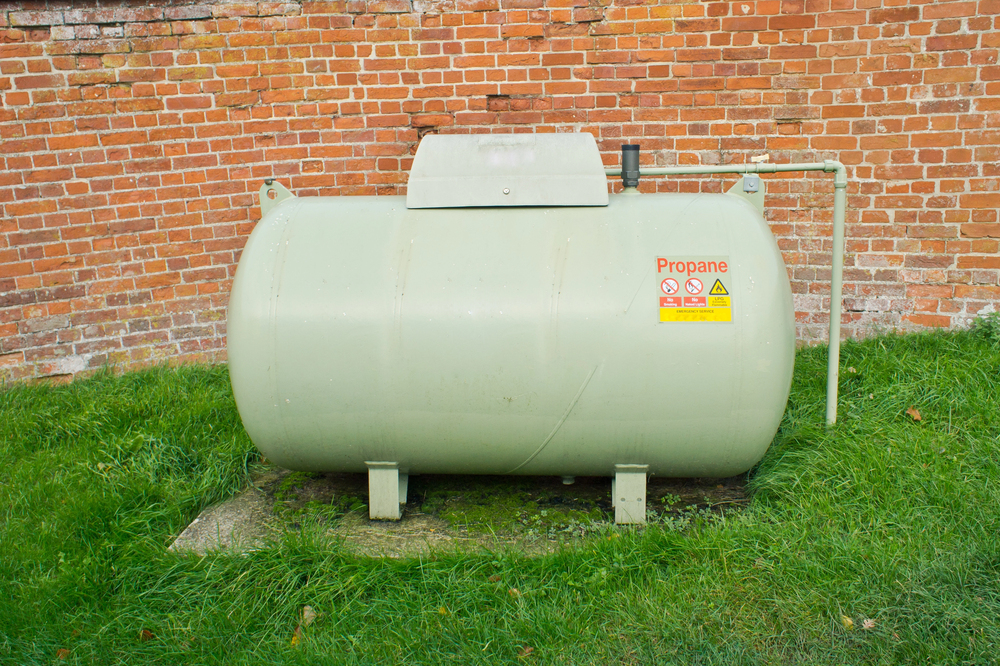
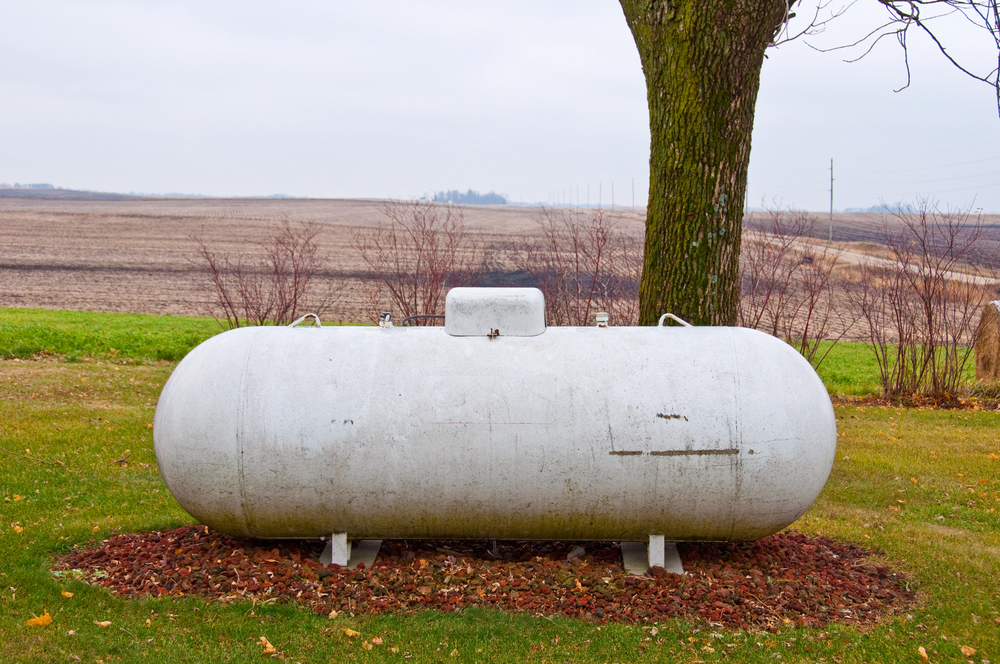
We can have some wild weather here in Central, PA. When the power goes out, can a propane supply power your appliances and backup generators? With the right configuration, absolutely. How Propane Works for Backup Generators Propane is a great fuel for backup generators because it burns cleanly and stores well. Propane generators convert propane gas into mechanical energy, which then produces electricity to keep your home running. Unlike gasoline or diesel, propane won't gum up the engine or have to be cleaned out all the time. And while you can't just store gasoline indefinitely, there are no issues like that with propane, so it's ideal for standby units that sit idle most of the time. For a typical home in Central, PA, a propane generator can power lights, refrigerators, heating systems, and even the whole house if sized correctly. Standby models can connect directly to your home's electrical panel and start up automatically within seconds of an outage. Portable versions are cheaper and very flexible, but they will need a manual setup and have to be refueled from cylinders. Figuring It Out To determine if a propane generator will fit your needs, consider your power requirements. A 5-kilowatt generator can handle basics like keeping the sump pump and freezer going, while larger 20-kilowatt units can support HVAC and electrical use over multiple rooms. Fuel consumption will, of course, vary by what you're making it power. You can expect a mix-sized unit to use around two or three gallons an hour, so a 500-gallon tank can usually keep things going for a week or more. How Propane Works for Backup Appliances Propane can power a wide range of appliances, from clothes dryers to ovens, and you can either buy appliances that are ready to go with propane or have adapters installed to make it possible. Alternatively, if you get a big enough propane backup generator, you can simply plug in your appliances and use them as normal. Propane Supply Options for Generators and Appliances Setting up a propane system starts with choosing the right tank size and delivery method. For generators, a 100- to 500-gallon aboveground or underground tank will usually give you plenty of storage, and that's all connected by pipes to your unit. If you schedule automatic delivery services, we can monitor your usage and the weather and refill you as needed. You can also just call us when you need a top-up, and we offer our customers a free tank monitor to make this easy. Things to Keep in Mind Propane generators produce less power on propane than on gasoline, so if you're switching, bear in mind that you might need a larger unit than you currently have. Propane tanks must also be placed safely away from structures, so you'll need room in your yard to do that. Finally, you'll need to get regular inspections to make sure there are no leaks or other issues. Propane can be a great way to power your generator and appliances, so talk to us today at W.C. Eshenaur & Son Inc to learn more. We serve Harrisburg and all the towns of central PA.

Dauphin County whole-home humidifier installation and repair.

How Does a Whole-Home Humidifier Work With Central HVAC Systems?

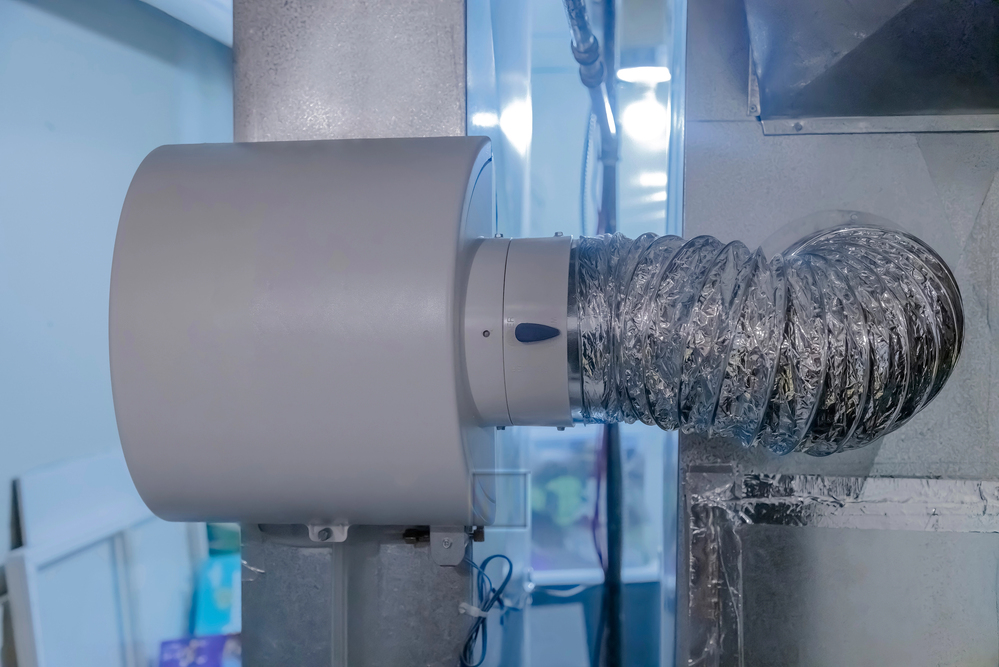
A whole-home humidifier integrates with your central HVAC systems to combat the dry indoor air that's especially common in our Dauphin County, PA winters. In a typical central HVAC setup, a furnace or air handler pulls cool air from rooms via return ducts, heats it, and pushes the warm air back out through supply ducts. A whole-home humidifier taps into this airflow to add water vapor precisely where it can distribute evenly throughout the house. How Does a Whole-Home Humidifier Work With Central HVAC Systems? Portable units only affect one room, but a whole-home system connects directly to the plumbing for a constant water supply and then to the ductwork near the furnace to ensure the humidity reaches every corner. Most whole-home humidifiers work best in conjunction with the heating cycle because warm air holds more moisture than cool air. When the home's humidity drops below the level you set, the system activates. A small solenoid valve opens and lets in water from the home's supply line. From there, the precise process varies depending on the type of system you install, but essentially the water gets transformed into vapor that mixes with the heated air. The humidistat is usually mounted on the return duct or a wall, and it measures the indoor relative humidity and signals the humidifier's solenoid, and sometimes also the furnace blower, to turn on only when needed. Once it's all up and running, the humidifier transforms your dry, static-filled air into comfortable, breathable air that eases those winter sore throats, protects your wood floors from cracking, and even reduces heating bills. That's because moist air feels warmer at lower temps than dry air, meaning your family will be happier keeping the thermostat lower. Installation Installation usually involves first cutting into the ducts and then connecting a saddle valve or tee to the water line. Then, we'll wire everything to the furnace transformer to get some low-voltage power and add a drain line for any overflow. You'll want an experienced professional to do all this, as it's essential that you get a perfectly airtight seal and proper airflow balance. Maintenance Maintenance is also very important to ensure the system stays reliable and clean. The evaporative pads need annual replacement so you don't have any issues with mold or mineral clogs (particularly if your water is hard), and the steam canisters require periodic descaling. Regular furnace filter changes will help too, because clean air flows better over the media than dirty, dust-filled air. With proper care, a whole-home humidifier will simply quietly partner with your existing central HVAC system and always deliver a balanced humidity that you'll never be able to get with portable options alone. The end result will be a healthier, more comfortable living environment year after year. Talk to Us About Options in Dauphin County, PA If you're interested in keeping your indoor winter air more comfortable, call us today at W.C. Eshenaur & Son, Inc. in Harrisburg, PA at 717-236-5031. We're family owned and operated since 1928, and we serve all the towns and counties of Central PA.

Contact Us

Fill out this form below and we'll contact you shortly
*Required Fields