Request Service


Call 717-236-5031 or fill out the form below.

Request Service

  • W.C. Eshenaur & Son, Inc.

Blog / Emergency Plumbing

How Quickly Can Emergency Plumbing Repairs Be Handled in Harrisburg?

Emergency Plumbing in Central Pennsylvania.

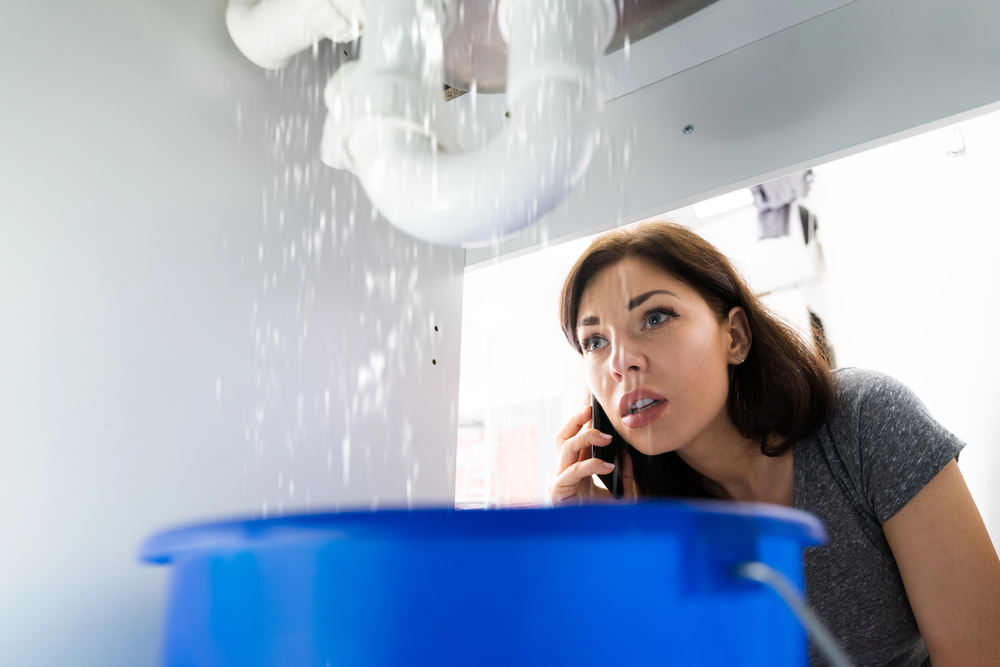
A serious plumbing failure needs immediate professional attention to prevent extensive property damage and get your family back to normal. When you need emergency plumbing services in Harrisburg, PA, the response speed of our qualified technicians makes all the difference.

The Dynamics of Emergency Plumbing Services

Availability and Dispatch

When you dial for assistance, what follows is a carefully coordinated system designed to minimize your wait time to full restoration. First, our dispatchers, who are available around the clock, assess your location and take a look at things like road congestion, the location of our plumbers, and the volume of simultaneous requests that might stretch our resources.

They work hard to prioritize the assignments to ensure that the nearest, suitably equipped professional will be headed your way without delay. In practice, the process will usually have us scheduling you in windows ranging from thirty minutes to two hours, if your call comes during peak demand periods or particularly bad weather.

Why This Is Important

You benefit directly from this level of preparation because it means your technicians always arrive ready to address the issue on the spot. There's none of the delays that would be inevitable if we just sent the nearest tech immediately and he or she had to start and then leave to get missing supplies and parts.

When our dispatcher can route the right specialist, properly equipped for the task, it saves critical minutes from the overall timeline and gets you back to normal as fast as possible.

Variables That Influence Response and Repair Times in Harrisburg, PA

The Right Techs

Technicians who are accustomed to our region's typical home infrastructure can usually do a better job than outsiders. We know the legacy piping materials used in this part of PA, for example, and have accumulated knowledge of how our weather and soil tend to affect underground lines and interior systems. We also know which tech can handle your problem and will route accordingly.

Traffic

Traffic along major corridors is another issue. Obviously it intensifies during the morning and evening commutes, and that alone can extend the time it takes to get to you by as much as fifteen to thirty minutes. We have many response units distributed across the broader area and use the latest technology to help us route our technicians smoothly.

Your Prep

There's something else that matters a great deal to how quickly this can all get done, and that's preparation on your part. If you've located your water control valve in advance, you can stop the flow of water as soon as there's an issue. That will limit how much gets into the house and how much damage it causes. Your technician can then get right to work from a stable starting point rather than first have to deal with an escalating issue.

Clear the path to the affected area, get pictures before we arrive (which you might need for insurance purposes), and get any details about recent maintenance or home modifications you've had that might be a factor.

We're ready to help! Call W.C. Eshenaur & Son Inc. 24/7 at 717-236-5031 for help anywhere in Central PA.

Posted in:

Related Posts

When to replace an HVAC air filter. WC Eshenaur and Son in PA.

How Often Should You Replace Air Filters in Your System?

Keeping your home comfortable here in Central Pennsylvania means paying attention to the little things that keep your HVAC system running right. One of the simplest yet most important tasks is staying on top of your A/C air filter replacement schedule. A clean filter helps everything work better and protects your system as well as your lungs. Why Your A/C Air Filter Replacement Schedule Matters more Your HVAC system pulls air from inside your house, conditions it, and pushes it back out through the ducts. The air filter is there to catch dust, pollen, pet dander, and other particles before they circulate into the air you're breathing or reach the equipment to block it up. When you let a filter get too dirty, the system has to work harder to move the same amount of air. That extra effort raises your energy bills and puts more wear on the blower motor and other parts. A clogged filter can also make indoor air quality worse instead of better. You might notice more dust on surfaces or family members sneezing more often if you're not changing those filters at the right intervals. Different Filter Types and Their Lifespans Not all filters are the same. Basic 1-inch fiberglass filters are cheap, but they only last about 30 days in most homes, and while they can catch larger particles, they do let finer ones through. Pleated filters, which are more common now, do a better job and usually need changing every one to three months. Thicker filters, like four-inch or five-inch media filters, can go six to 12 months because they hold more; they do cost more upfront, though. Finally, you can get very high-efficiency filters with higher MERV ratings to trap the very smallest particles. This is really great for air quality, but these filters can restrict airflow if your system isn't designed for them. Always check what your manufacturer recommends for your specific unit or call us to make sure the filter you want to use works with your system. Factors That Affect How Often You Should Change Filters Households with multiple pets always need more frequent changes because fur and dander load up the filter. Smokers or people who cook a lot with oils see the same issue. Larger families or homes with lots of foot traffic tend to bring in more dirt from outside, and that can also mean you'll need to change things more often. Seasonal Considerations in Central PA In winter, when your furnace runs more, you'll need to check the filters more often because cold, dry air tends to stir up dust. In summer, air conditioning pulls in humidity and pollen, and this is also a key time for checking your filter. Spring and fall are good times for deeper maintenance. Staying proactive with your air filters is one of the smartest, lowest-cost things you can do for your HVAC system and your own respiratory health. If you're not sure where to start or want help picking the right filters for your setup, call W.C. Eshenaur & Son Inc. today. We're family-owned and operated and have been serving all of Central PA since 1928.

Programmable HVAC Smart Thermostat

What Benefits Come From Using a Programmable Thermostat?

Using a programmable thermostat can offer some real advantages for managing your home's heating and cooling. These devices are a great tool to help homeowners in Central Pennsylvania control their HVAC systems: here's some of the programmable thermostat benefits we see regularly. Programmable Thermostat Benefits and HVAC Efficiency more Take Control of Your Schedule You don't need the house cooled or heated as much while everyone's away, but you also don't want to come home to a furnace in the summer or an ice box in the winter. A programmable thermostat lets you set different temperatures for various times of day and days of the week. This means your furnace or air conditioner runs only when it's needed, but you still wake up and come home to a comfortable house. See Real Energy Savings Energy savings is the biggest reason to make the switch. Turning your thermostat back by 7 to 10 degrees for about eight hours a day, such as while you're away or asleep, can lower your heating and cooling costs by up to 10% per year. A programmable thermostat makes this adjustment automatic, so you don't have to remember to change it manually every time. The energy savings go deeper than you might think, too. In winter, for example, keeping your home at a lower temperature when no one is there actually slows the rate at which heat escapes through walls, windows, and roofs. Extend the Life of Your HVAC System Many people in our service area use propane or heating oil systems, and a programmable thermostat works well with these by preventing the equipment from running longer than necessary. When you pair this with regular maintenance, you keep everything running smoothly and put the least amount of pressure possible on all your equipment. The result is that the equipment lasts longer and there's less risk of a breakdown. No More More Forced Choice Have you ever begrudgingly turned off the AC or heat entirely to save money, knowing you'll have to come home to a stuffy or freezing house? Or, have you decided comfort is more important but grimaced every time you paid the bill? A programmable thermostat can put an end to that. No more coming home to a stuffy or chilly house, and no more wasted energy. Take Full Control of a Larger Home For larger homes or those with zoning, programmable thermostats can even work alongside your zone controls. You can set temperatures differently for various areas based on usage patterns as well as sleeping hours and daytime schedules, and this means you're never heating or cooling any unused spaces. If you've got a larger home, this can be a huge money and energy saver. A programmable thermostat can be a great way to save money, improve your comfort, and manage your HVAC system more intelligently. Call us today at W.C. Eshenaur & Son, Inc. in Harrisburg, PA. As a family-owned business serving all the towns of Central Pennsylvania since 1928, our focus is practical solutions that deliver lasting value for you and your family.

 What Causes Uneven Temperatures at Home

What Causes Uneven Temperatures Throughout Your Home?

If you live in South-Central PA, you know how frustrating uneven heating and cooling is, where one room stays cozy while another is too cold or too hot. At W.C. Eshenaur & Son, we help homeowners with real uneven heating solutions so you can enjoy your whole home. What Causes Uneven Temps in Your Central PA Home? Improperly Sized Units more Your furnace or air conditioner might work fine overall, but it could struggle to push air evenly. An undersized unit often runs constantly without properly conditioning every space, while oversized systems short cycle. That means they're turning on and off too quickly before all the rooms can reach the right temperature. Dirty Filters When the filter clogs with dust and gunk, less air moves through the system. You end up with weak output in the rooms farthest from the filter while areas near the unit usually feel better. Bad Thermostat Placement If your thermostat sits in a hallway that gets direct sun or near a heat source like the kitchen, it's going to register things as a lot warmer than they really are. The system will then shut off before distant rooms warm up or cool down properly. We can help you move your thermostat to a better place. Ductwork Problems Leaky or poorly designed ducts cause some of the biggest headaches. Air escapes through gaps, loose connections, or damaged sections, and this especially tends to happen in attics or crawl spaces where the temperatures swing wildly. This means you're losing heated or cooled air before it reaches the bedrooms or living areas. Long duct runs or sharp bends in the ductwork can also slow down airflow to the rooms farthest from the unit. Blocked or Closed Vents Blocked or closed vents seem like a simple fix in some situations, but they create pressure issues. Closing too many vents forces the system to work harder and can actually make the imbalances worse. Insulation and Home Design Factors Poor insulation lets outside air influence your indoor temperatures unevenly, as you could have walls, attics, and floors losing heat faster in some areas. This is especially common in older Pennsylvania homes that were built before modern energy standards were developed. Older single-pane glass or any windows with old seals allow heat to escape quickly in winter and let summer heat pour in. Sun exposure on one side of the house can, of course, warm some rooms differently throughout the day. Open floor plans mix air better than closed-off rooms, but many houses have separate zones that need careful balancing. Basements and garages often stay cooler and can pull the temperatures down if not properly sealed from living spaces. If you're dealing with all this in your house, don't wait until the next big temperature swing. Give our team at W.C. Eshenaur & Son, Inc. in Harrisburg, PA a call to discuss your situation. We've been family-owned and helping local families since 1928, and we take pride in offering reliable service to all the towns and areas of central PA.