- Rusty or discolored water
- Popping or banging sounds
- Pooling water or moisture
- Inconsistent performance
- Bad smell or taste
Signs of Water Heater Problems
Rust-Colored or Discolored Hot Water
If only the hot tap runs brown, reddish, or rusty water while the cold water is clear, the problem is almost always inside the heater. It's usually corrosion inside the tank or a deteriorating anode rod that does this. The tank is typically a steel vessel with a baked-on glass lining, and once that lining cracks, water starts to reach the bare steel, and oxidation begins.Popping, Rumbling, or Banging Sounds
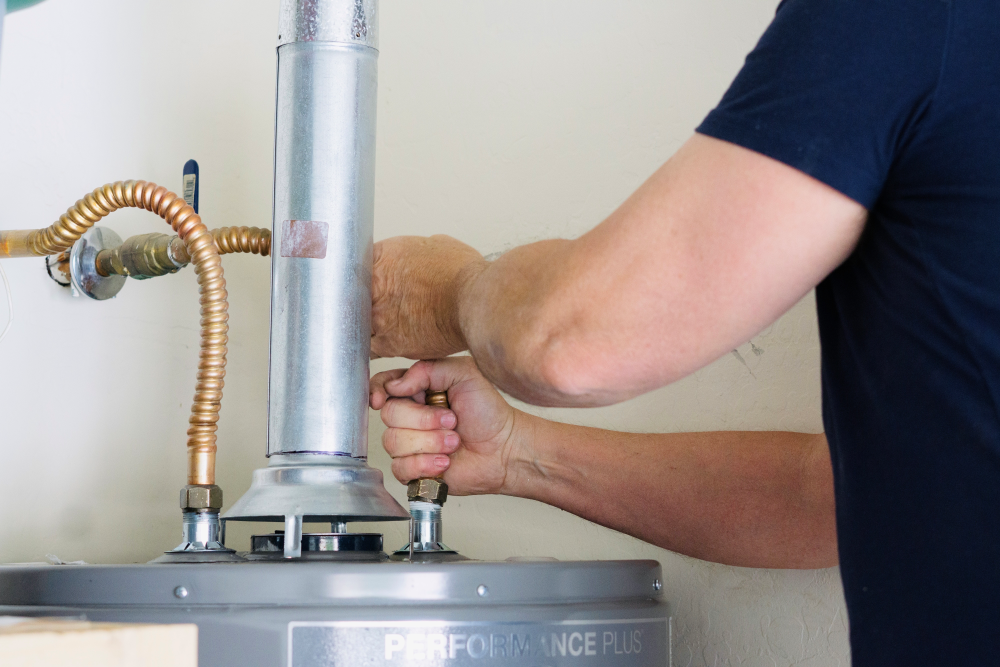
A healthy water heater should only give you the click of a thermostat or the brief rush of a burner. Popping, crackling, rumbling, or banging during a heating cycle is the sound of water that's gotten trapped beneath a layer of hardened mineral sediment at the bottom of a tank unit. The minerals settle on the tank floor, and that popping, crackling, or rumbling follows as the debris interferes with heat transfer and causes the metal to overheat.Over the years, dissolved calcium and magnesium from the water drop out and into the bottom of the tank, and eventually, when the burner or lower heating element fires up, pockets of water superheat into steam and burst through the crust of that debris. On a younger tank a thorough flush may take care of this, but with an older one often the lining and the steel have already been damaged.
Water Pooling or Moisture at the Base
Any standing water or persistent dampness beneath the tank is a problem. This usually means you've got a leak in one of the fittings, a failing temperature-and-pressure relief valve, or condensation from pooling at the tank body itself, which is usually evidence of internal corrosion. Once a leak starts, it'll only get bigger until you fix it.Inconsistent Temperatures and Diminished Hot Water
If your shower starts nice and hot and then turns lukewarm, or if you're suddenly running out of hot water after fewer uses than before, then likely the heating system is failing or you don't have enough usable capacity left in the tank.If there's heavy sediment in it that's eating up your tank volume and forcing the elements to work harder, that'll show up in less water than you need. A faulty thermostat, burned-out element, or damaged dip tubes can all cause your temps to get inconsistent.