
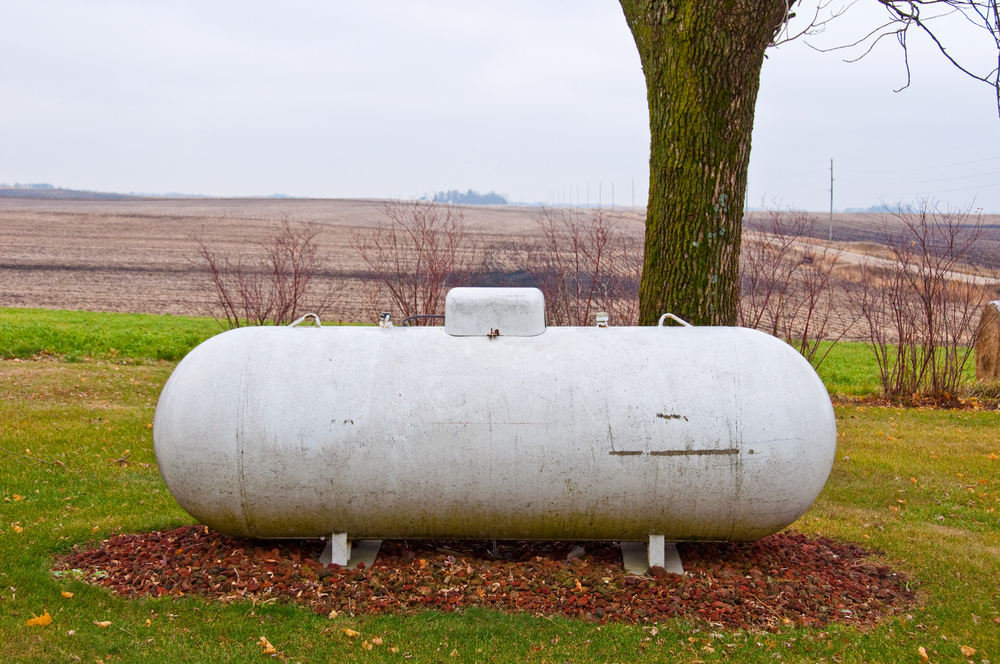
We can have some wild weather here in Central, PA. When the power goes out, can a propane supply power your appliances and backup generators? With the right configuration, absolutely.
How Propane Works for Backup Generators
Propane is a great fuel for backup generators because it burns cleanly and stores well. Propane generators convert propane gas into mechanical energy, which then produces electricity to keep your home running. Unlike gasoline or diesel, propane won’t gum up the engine or have to be cleaned out all the time. And while you can’t just store gasoline indefinitely, there are no issues like that with propane, so it’s ideal for standby units that sit idle most of the time.
For a typical home in Central, PA, a propane generator can power lights, refrigerators, heating systems, and even the whole house if sized correctly. Standby models can connect directly to your home’s electrical panel and start up automatically within seconds of an outage. Portable versions are cheaper and very flexible, but they will need a manual setup and have to be refueled from cylinders.
Figuring It Out
To determine if a propane generator will fit your needs, consider your power requirements. A 5-kilowatt generator can handle basics like keeping the sump pump and freezer going, while larger 20-kilowatt units can support HVAC and electrical use over multiple rooms. Fuel consumption will, of course, vary by what you’re making it power. You can expect a mix-sized unit to use around two or three gallons an hour, so a 500-gallon tank can usually keep things going for a week or more.
How Propane Works for Backup Appliances
Propane can power a wide range of appliances, from clothes dryers to ovens, and you can either buy appliances that are ready to go with propane or have adapters installed to make it possible. Alternatively, if you get a big enough propane backup generator, you can simply plug in your appliances and use them as normal.
Propane Supply Options for Generators and Appliances
Setting up a propane system starts with choosing the right tank size and delivery method. For generators, a 100- to 500-gallon aboveground or underground tank will usually give you plenty of storage, and that’s all connected by pipes to your unit. If you schedule automatic delivery services, we can monitor your usage and the weather and refill you as needed. You can also just call us when you need a top-up, and we offer our customers a free tank monitor to make this easy.
Things to Keep in Mind
Propane generators produce less power on propane than on gasoline, so if you’re switching, bear in mind that you might need a larger unit than you currently have. Propane tanks must also be placed safely away from structures, so you’ll need room in your yard to do that. Finally, you’ll need to get regular inspections to make sure there are no leaks or other issues.
Propane can be a great way to power your generator and appliances, so talk to us today at W.C. Eshenaur & Son Inc to learn more. We serve Harrisburg and all the towns of central PA.
Connect with us

- August 2026
- July 2026
- June 2026
- May 2026
- April 2026
- March 2026
- January 2026
- December 2025
- November 2025
- October 2025
- September 2025
- August 2025
- July 2025
- June 2025
- May 2025
- March 2025
- February 2025
- January 2025
- December 2024
- November 2024
- October 2024
- September 2024
- August 2024
- July 2024
- June 2024
- May 2024
- April 2024
- March 2024
- February 2024
- January 2024
- December 2023
- November 2023
- October 2023
- September 2023
- August 2023
- July 2023
- June 2023
- May 2023
- April 2023
- March 2023
- February 2023
- January 2023
- October 2022
- September 2022
- August 2022
- July 2022
- June 2022
- May 2022
- April 2022
- March 2022
- February 2022
- January 2022
- December 2021
- November 2021
- October 2021
- September 2021
- August 2021
- July 2021
- June 2021
- May 2021
- April 2021
- March 2021
- February 2021
- January 2021
- December 2020
- November 2020
- October 2020
- September 2020
- July 2020
- June 2020
- May 2020
- April 2020
- March 2020
- February 2020
- January 2020
- December 2019
- November 2019
- October 2019
- September 2019
- August 2019
- July 2019
- June 2019
- May 2019
- April 2019
- March 2019
- February 2019
- January 2019
- December 2018
- November 2018
- October 2018
- September 2018
- August 2018
- July 2018
- June 2018
- May 2018
- April 2018
- March 2018
- February 2018
- January 2018
- December 2017
- November 2017
- October 2017
- September 2017
- August 2017
- July 2017
- June 2017
- May 2017
- April 2017
- March 2017
- February 2017
- January 2017
- December 2016
- November 2016
- October 2016
- September 2016
- April 2016
- November 2015
- April 2015
- September 2014
- March 2014
- December 2013
- October 2013
- June 2013
- March 2013
Archives
Quick Links
Follow Us



Proudly serving the following towns and all of Central Pennsylvania:
Annville, Boiling Springs, Camp Hill, Carlisle, Colonial Park, Columbia, Dauphin, Dillsburg, Dover, Duncannon, East York, Elizabethtown, Elizabethville, Emigsville, Enola, Fort Indiantown Gap, Fredericksburg, Gardners, Goldsboro, Grantham, Halifax, Harrisburg, Hershey, Highspire, Hummelstown, Jonestown, Lawnton, Lebanon, Lemoyne, Lewisberry, Linglestown, Lower Allen, Manchester, Manheim, Marietta, Marysville, Mechanicsburg, Middletown, Millersburg, Mount Holly Springs, Mount Joy, Mount Wolf, Mountville, New Bloomfield, New Cumberland, New Kingstown, Newport, Palmyra, Progress, Rheems, Rutherford, Salunga-Landisville, Schlusser, Shiloh, Shiremanstown, Skyline View, Stonybrook, Summerdale, Valley Green, Weigelstown, Wormleysburg, Wrightsville, York, York Haven, York Springs