Request Service


Call 717-236-5031 or fill out the form below.

Request Service

  • W.C. Eshenaur & Son, Inc.

Blog

Why Is Annual Furnace Tune-Up Important for Efficient Heating?

Camp Hill, PA HVAC Tune-up

A lot of people don't really think about their HVAC heating system until it stops working. This is an inefficient way to go about keeping your home warm, however. Getting regular central heating system service can ensure that your Camp Hill, PA home or business is always warm when you need it. It will also save you money as you avoid expensive, unexpected breakdowns, extend your equipment life, and improve your energy efficiency.

Why Is Annual Central Heating Service Important for Your Camp Hill, PA HVAC?

A tune-up is preventative maintenance. The goal is to optimize performance and keep you from developing issues that can become quite costly if you don't address them until they cause a breakdown. Here's exactly how the service makes things run more efficiently:

By Cleaning

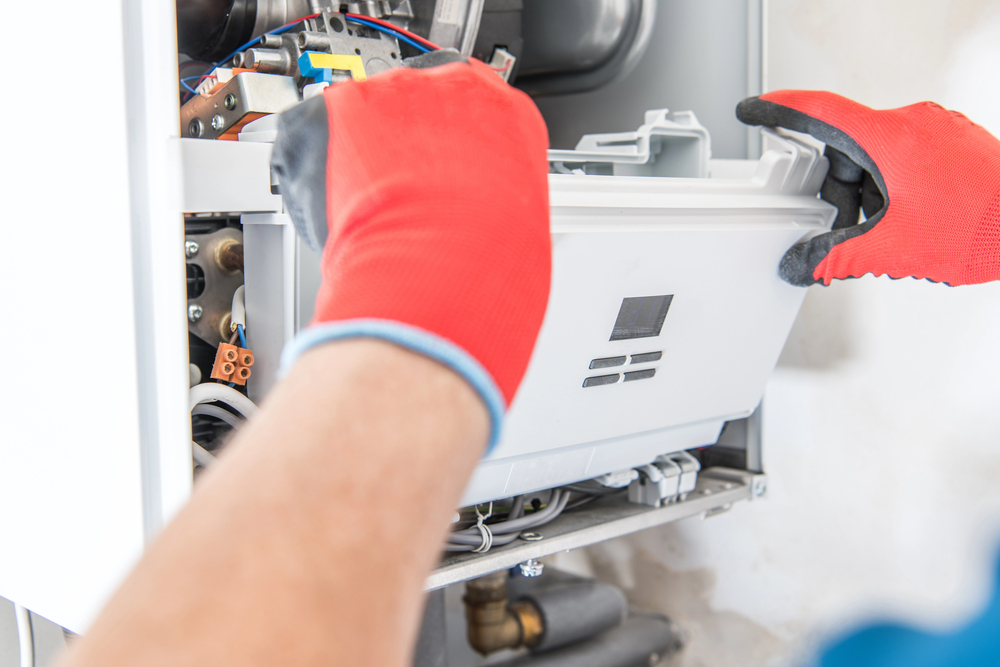
The heat exchanger and blower components deliver warmth throughout your home. When these parts get dirty or clogged with dust and debris, your heating system’s efficiency is reduced, and it may struggle to properly warm your space.

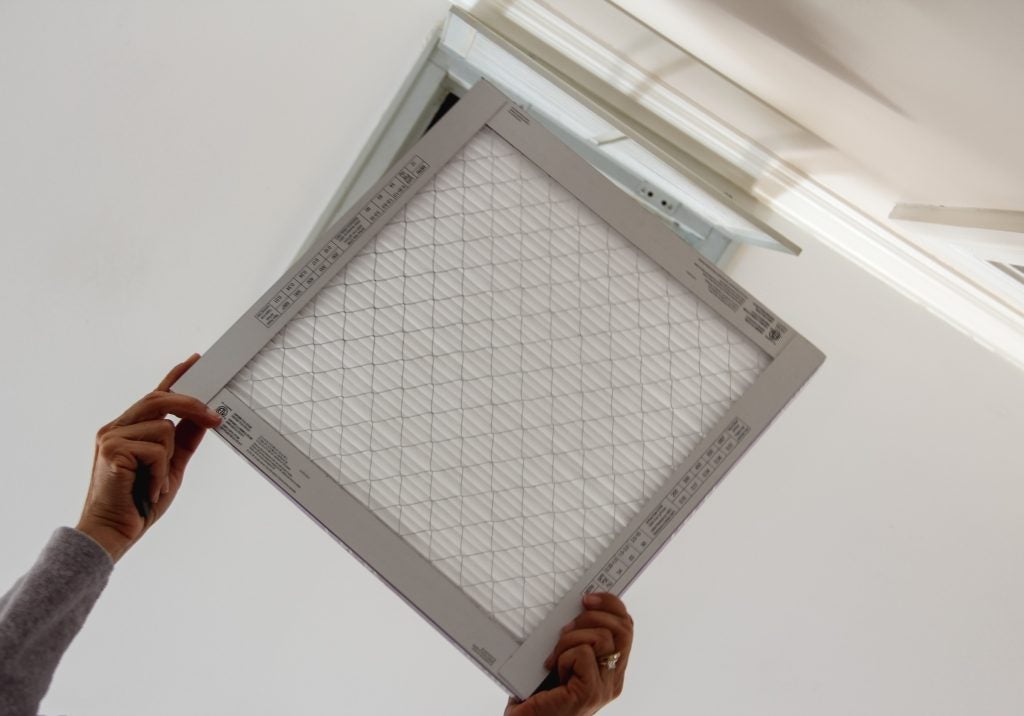
Ductwork cleaning is equally important. Dirty ductwork is full of dust that can cause allergy issues and actually obstruct airflow. When that happens, you're tempted to turn up the temps or turn up the fan to get the warmth you need, and that's like just setting your money on fire. Finally, air filters need to be cleaned. When the filters are dirty, the whole system has to work harder to get air in.

By Checking Connections and Calibrations

If your thermostat isn't properly calibrated, guess what? It's not accurately reading the temperature of the room. This can cause the unit to malfunction, compromising your heating and causing you frustration. Loose electrical connections can also cause erratic behavior in the system.

Does It Really Save Me Money?

Absolutely! The US Department of Energy estimates that keeping your HVAC unit regularly maintained can save an average of 15% on your energy bills over the course of a year. Given how high energy bills are these days, that savings usually more than pays for the maintenance itself. Even if you just break even when considering your energy bills alone, getting maintenance saves you money in other ways, too.

For one thing, you'll catch minor issues before they become serious issues. You can clean something, for instance, that's obstructing a fan or causing a motor to work harder before the motor blows completely. For another, maintained equipment lasts longer, so you're not going to have to replace your HVAC so soon.

Types of Heating Systems We Service

We service all types of residential and commercial furnaces throughout Camp Hill, including gas furnaces, electric furnaces, and oil-fired systems. We keep your heating system running efficiently and reliably throughout the cold winter months.

Need to stay warm? Call us today at W.C. Eshenaur & Son, Inc in Harrisburg, PA. We're family-owned and operated, and we've been serving the people of PA since 1928. We offer a range of services to customers through Central Pennsylvania.
Recommended Posts

winterize plumbing for your home

Winter Plumbing Tips and Tricks for Harrisburg, PA, Homeowners

A Pennsylvania cold snap can leave you with frozen pipes, cracked outdoor faucets, or water damage when a pipe bursts. A few simple steps before freezing weather can help protect your home. Disconnect Hoses and Protect Hose Bibs Hose bibs are the outdoor faucets attached to your house. Remove garden hoses before freezing temperatures arrive so trapped water can drain. If your outdoor faucet has an indoor shutoff valve, close it and drain the outdoor line. Disconnect hoses from frost-free faucets, too. An insulated faucet cover adds protection, but it cannot replace proper draining. Insulate Pipes in Cold Areas Check water pipes in unheated basements, crawl spaces, and garages. Pipes near exterior walls are also vulnerable to freezing. Fit exposed pipes with pipe insulation and seal drafts near them. Insulation slows heat loss; it does not make pipes freeze-proof. Keep Warm Air Around Your Plumbing Keep your thermostat consistent during cold weather. If you leave town, keep the heat on and set it no lower than 55°F. During severe cold, open cabinet doors beneath sinks along exterior walls. Move cleaning products out of children’s reach. For exposed pipes at risk of freezing, letting the faucet run at a small trickle can help. Watch for Signs of Frozen Pipes Little or no water from a faucet during a cold snap may mean a frozen pipe. Call a plumber if you cannot locate or safely reach the frozen section. Never use a torch or open flame to thaw plumbing. Know where your main water shutoff valve is. If a pipe bursts, shut off the water immediately and arrange repairs. Address Plumbing Problems Before Winter A dripping hose bib or an unprotected pipe is easier to address before temperatures drop. Check these areas early rather than waiting for the first hard freeze. For plumbing repair and installation in Harrisburg, PA, contact W.C. Eshenaur and Son. Get help with existing problems and prepare vulnerable plumbing for winter.

We troubleshoot and fix HVAC problems in Central Pennsylvania.

Troubleshooting Your HVAC System

When your air conditioning or heating system begins to struggle in Harrisburg, PA, there's a few checks to go through that may be able to restore comfort before you need to worry about scheduling professional service for your HVAC. Basic Checks for Your HVAC in Harrisburg, PA Check the Thermostat Make sure your thermostat display isn't blank or dim; if it is, try just installing new batteries. Then, confirm that the mode is set to heat or cool according to the season. Once that's done, adjust the temperature at least three degrees beyond the current room reading and change the fan setting from continuous on to auto. After you make these adjustments, give the equipment five minutes to respond and listen for the blower or outdoor unit to start. Is It Plugged In? This question's not just for computers! Open the main breaker panel in your house and find the switches marked for the furnace, air handler, or outdoor condenser. If any lever is in the middle or off position, push it fully to the off side and then back to on. Also locate the dedicated disconnect switch, which is often mounted on or near the indoor unit and the outdoor unit. These switches can get bumped during cleaning or yard work. Once power is restored, return to the thermostat and try the system again. A tripped breaker is actually one of the most common reasons a unit refuses to start, and resetting it takes only a moment. Look at the Air Filter Find the return air grille in a hallway or ceiling, or open the access door on the side of the furnace or air handler. Slide the existing filter out and hold it up to a bright light. If you can't see any light passing through the media, or if the surface looks really gray, dusty, and packed, replace it with a new filter. A clogged filter restricts the volume of air the system can move, which causes the blower to work harder, which raises energy use, and finally often triggers safety switches that shut the equipment down. Check the Condenser Unit This is the part of the system that sits outside, and sometimes yard work and weather can cause issues. Remove any leaves, grass clippings, or twigs that have collected around the base and sides and make sure there's at least two feet of clear space on all sides so outdoor air can move freely across the coil. If the fins look dusty, rinse them gently with a garden hose on a low setting; never use a pressure washer. Is There Any Ice? Look for ice forming on the indoor coil or along the refrigerant lines. If you see some, switch the equipment off at the thermostat and allow any ice to melt completely before restarting it. Restricted airflow from a dirty filter is the most frequent cause of freezing, so the filter change you already performed will likely stop that from happening again. If it doesn't, or the filter was clean, call for help as there's a more serious issue that needs attention. If these steps don't fix things, call W.C. Eshenaur & Son, Inc. right now at 717-236-5031 to request service. We proudly serve all the towns of Central PA.

When to replace an HVAC air filter. WC Eshenaur and Son in PA.

How Often Should You Replace Air Filters in Your System?

Keeping your home comfortable here in Central Pennsylvania means paying attention to the little things that keep your HVAC system running right. One of the simplest yet most important tasks is staying on top of your A/C air filter replacement schedule. A clean filter helps everything work better and protects your system as well as your lungs. Why Your A/C Air Filter Replacement Schedule Matters Your HVAC system pulls air from inside your house, conditions it, and pushes it back out through the ducts. The air filter is there to catch dust, pollen, pet dander, and other particles before they circulate into the air you're breathing or reach the equipment to block it up. When you let a filter get too dirty, the system has to work harder to move the same amount of air. That extra effort raises your energy bills and puts more wear on the blower motor and other parts. A clogged filter can also make indoor air quality worse instead of better. You might notice more dust on surfaces or family members sneezing more often if you're not changing those filters at the right intervals. Different Filter Types and Their Lifespans Not all filters are the same. Basic 1-inch fiberglass filters are cheap, but they only last about 30 days in most homes, and while they can catch larger particles, they do let finer ones through. Pleated filters, which are more common now, do a better job and usually need changing every one to three months. Thicker filters, like four-inch or five-inch media filters, can go six to 12 months because they hold more; they do cost more upfront, though. Finally, you can get very high-efficiency filters with higher MERV ratings to trap the very smallest particles. This is really great for air quality, but these filters can restrict airflow if your system isn't designed for them. Always check what your manufacturer recommends for your specific unit or call us to make sure the filter you want to use works with your system. Factors That Affect How Often You Should Change Filters Households with multiple pets always need more frequent changes because fur and dander load up the filter. Smokers or people who cook a lot with oils see the same issue. Larger families or homes with lots of foot traffic tend to bring in more dirt from outside, and that can also mean you'll need to change things more often. Seasonal Considerations in Central PA In winter, when your furnace runs more, you'll need to check the filters more often because cold, dry air tends to stir up dust. In summer, air conditioning pulls in humidity and pollen, and this is also a key time for checking your filter. Spring and fall are good times for deeper maintenance. Staying proactive with your air filters is one of the smartest, lowest-cost things you can do for your HVAC system and your own respiratory health. If you're not sure where to start or want help picking the right filters for your setup, call W.C. Eshenaur & Son Inc. today. We're family-owned and operated and have been serving all of Central PA since 1928.