


Request Service


Call 717-236-5031 or fill out the form below.

Request Service

  • W.C. Eshenaur & Son, Inc.

Blog

Fall Edition - 2025

Dear Valued Customer,

As always, we would like to give our loyal customers a big thank you for choosing our team here at W. C. Eshenaur & Son to provide you with the reliable, friendly service you deserve. Thank you for your continued trust and patronage this year and the years to come.

The days are growing shorter and the weather is beginning to cool down, a sure sign that summer is coming to a close and winter is quickly approaching. This is the perfect time of the year to prepare your home for the cold days ahead by scheduling servicing and a good cleaning for your heating system. Taking these steps now will give you the peace of mind this winter season that your system is in working order and thus ensuring your home will be warm and cozy.

At W. C. Eshenaur & Son, we offer several service plan options including Heating Maintenance and more. You can find all of the service plan options we provide on our website at Eshenaurs.com. When you find the plan that meets your needs give us a call at (717) 236-5031 so we can get it set up for you.

We have come a long way since our humble beginnings in 1928. Our list of services has greatly expanded since then, and many of our customers don’t realize everything we can provide them. Our services go far beyond just your fuel and HVAC needs. We specialize in quality Plumbing, Heating, Air Conditioning, Fuel Oil, Propane, Welding and Sheet Metal Fabrica- tion for residential and commercial jobs. Please visit our website to explore all the helpful services we can provide for you and your family. Our trusted, friendly team are here to meet your needs.

Warm Regards,

Craig & Wally Eshenaur

Service Plans

We Offer Basic and Comprehensive Service Plans for the following:

  • Oil & Propane Boilers & Furnaces
  • Heat Pumps Maintenance Plan
  • Air Conditioning Maintenance Plan
  • Natural Gas Fired Boiler or Furnace

Contact us today for more information on all of our plan options

The TankSure Program

  • TankSure is included in the comprehensive oil boiler or furnace service plans. TankSure is a proactive oil tank replacement program.

We use an EPA-approved ultrasonic testing technology to determine the thickness of an above ground oil tank. Customer receives $1,000 tank replacement payment for qualified tanks or a $200 tank replacement coupon if the tank is in need of immediate replacement.


W.C. Eshenaur & Son, Inc was first established by Walter C. Eshenaur Sr. in 1928. In these early years, It was a one-man operation run out of his parents’ home on North Street. Later Walter Sr. moved to his own home on North Street and ran the business from his garage. In 1938, the business known as W.C. Eshenaurs relocated to Booser Avenue in Harrisburg.

In 1951, fuel oil delivery was added to the growing list of services provided by the company. The original fuel truck used by Walter Sr. was restored by Craig and Wally and is now on display in our current business location. Walter C. Eshenaur, Sr. formally incorporated W.C. Eshenaurs, Inc. in 1955. He also created Eshenaurs Inc. as a com- pany that would specialize in commercial and mechani- cal contracting, expanding the services he could provide to his customers.

Eshenaur Fuels was the side of the business performing fuel oil sales, residential and light commercial work. Eshenaur Fuels, Inc. was formed in 1962. Walter Sr. and his son, Walter Jr., were officers of the company. At this time, the company’s storage tanks could hold more than 1.1 million gallons of fuel oil, a capacity that enabled Eshenaur Fuels to service their customers, without interruption, during the 1970’s oil crisis.

The company continued to service its customers under the Eshenaur Fuels name until 2011 when the name was changed to W. C. Eshenaur & Son, Inc. Craig Eshenaur is the 3rd generation running W. C. Eshenaur & Son, Inc., and is the current owner of the business. His son Wally is on his way to being the 4th generation of Eshenaurs running the business, carrying on his family’s legacy, started by his great grandfather, of providing quality products and services.
No Heat Checklist

What Steps Should you Take if You Lose Heat

Check Your Thermostat Make sure the temperature on your thermostat is set higher than the current room temperature. If you have a programmable thermostat, check that the heat switch is on, the date and time are set correctly, and the battery is good.

Is the EMERGENCY SWITCH on? Your EMERGENCY SWITCH is usually located on the first floor of your home near the basement door or utility room door. It looks like a light switch but has a red wall plate with the words EMERGENCY SWITCH on it. There may also be a switch on the side of the furnace/boiler. Make sure the switch is on.

Any Blown Fuses? Check your home’s electrical box for blown fuses or a tripped circuit breaker. Replace blown fuses, or reset the circuit breaker.

Check the Oil Tank Gauge. Check the fuel level on your oil tank gauge. Does it indicate above the bottom line on the glass? If it’s on the bottom line, it means there is no oil in the tank. Call us immediately for delivery.

Still No Heat? Reset the Burner. Press the burner reset button ONE TIME ONLY. The reset button is typically located on the top, right-hand side of the burner. You should hear the unit try to start.

If You still have no heat after checking all these boxes, Give us a call and we will send a technician out to help.

$250 OFF Any New HVAC system - sold between 9-1-25 to 11-21-25 through the HVAC sales department. See salesman for details. Financing options are available.


Recommended Posts

We troubleshoot and fix HVAC problems in Central Pennsylvania.

Troubleshooting Your HVAC System

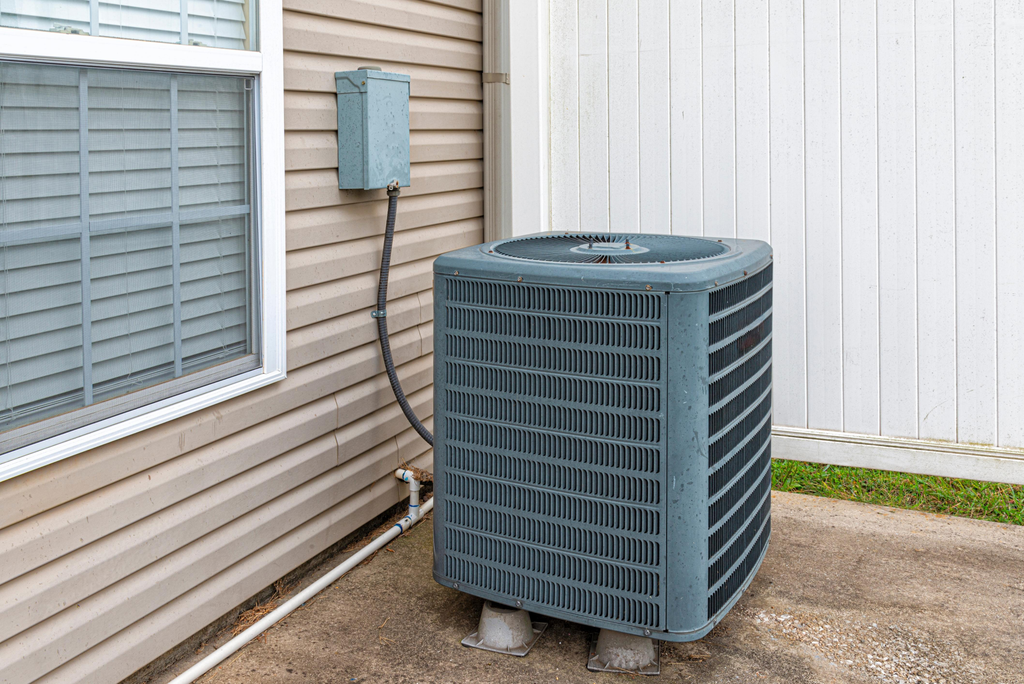
When your air conditioning or heating system begins to struggle in Harrisburg, PA, there's a few checks to go through that may be able to restore comfort before you need to worry about scheduling professional service for your HVAC. Basic Checks for Your HVAC in Harrisburg, PA Check the Thermostat more Make sure your thermostat display isn't blank or dim; if it is, try just installing new batteries. Then, confirm that the mode is set to heat or cool according to the season. Once that's done, adjust the temperature at least three degrees beyond the current room reading and change the fan setting from continuous on to auto. After you make these adjustments, give the equipment five minutes to respond and listen for the blower or outdoor unit to start. Is It Plugged In? This question's not just for computers! Open the main breaker panel in your house and find the switches marked for the furnace, air handler, or outdoor condenser. If any lever is in the middle or off position, push it fully to the off side and then back to on. Also locate the dedicated disconnect switch, which is often mounted on or near the indoor unit and the outdoor unit. These switches can get bumped during cleaning or yard work. Once power is restored, return to the thermostat and try the system again. A tripped breaker is actually one of the most common reasons a unit refuses to start, and resetting it takes only a moment. Look at the Air Filter Find the return air grille in a hallway or ceiling, or open the access door on the side of the furnace or air handler. Slide the existing filter out and hold it up to a bright light. If you can't see any light passing through the media, or if the surface looks really gray, dusty, and packed, replace it with a new filter. A clogged filter restricts the volume of air the system can move, which causes the blower to work harder, which raises energy use, and finally often triggers safety switches that shut the equipment down. Check the Condenser Unit This is the part of the system that sits outside, and sometimes yard work and weather can cause issues. Remove any leaves, grass clippings, or twigs that have collected around the base and sides and make sure there's at least two feet of clear space on all sides so outdoor air can move freely across the coil. If the fins look dusty, rinse them gently with a garden hose on a low setting; never use a pressure washer. Is There Any Ice? Look for ice forming on the indoor coil or along the refrigerant lines. If you see some, switch the equipment off at the thermostat and allow any ice to melt completely before restarting it. Restricted airflow from a dirty filter is the most frequent cause of freezing, so the filter change you already performed will likely stop that from happening again. If it doesn't, or the filter was clean, call for help as there's a more serious issue that needs attention. If these steps don't fix things, call W.C. Eshenaur & Son, Inc. right now at 717-236-5031 to request service. We proudly serve all the towns of Central PA.

When to replace an HVAC air filter. WC Eshenaur and Son in PA.

How Often Should You Replace Air Filters in Your System?

Keeping your home comfortable here in Central Pennsylvania means paying attention to the little things that keep your HVAC system running right. One of the simplest yet most important tasks is staying on top of your A/C air filter replacement schedule. A clean filter helps everything work better and protects your system as well as your lungs. Why Your A/C Air Filter Replacement Schedule Matters more Your HVAC system pulls air from inside your house, conditions it, and pushes it back out through the ducts. The air filter is there to catch dust, pollen, pet dander, and other particles before they circulate into the air you're breathing or reach the equipment to block it up. When you let a filter get too dirty, the system has to work harder to move the same amount of air. That extra effort raises your energy bills and puts more wear on the blower motor and other parts. A clogged filter can also make indoor air quality worse instead of better. You might notice more dust on surfaces or family members sneezing more often if you're not changing those filters at the right intervals. Different Filter Types and Their Lifespans Not all filters are the same. Basic 1-inch fiberglass filters are cheap, but they only last about 30 days in most homes, and while they can catch larger particles, they do let finer ones through. Pleated filters, which are more common now, do a better job and usually need changing every one to three months. Thicker filters, like four-inch or five-inch media filters, can go six to 12 months because they hold more; they do cost more upfront, though. Finally, you can get very high-efficiency filters with higher MERV ratings to trap the very smallest particles. This is really great for air quality, but these filters can restrict airflow if your system isn't designed for them. Always check what your manufacturer recommends for your specific unit or call us to make sure the filter you want to use works with your system. Factors That Affect How Often You Should Change Filters Households with multiple pets always need more frequent changes because fur and dander load up the filter. Smokers or people who cook a lot with oils see the same issue. Larger families or homes with lots of foot traffic tend to bring in more dirt from outside, and that can also mean you'll need to change things more often. Seasonal Considerations in Central PA In winter, when your furnace runs more, you'll need to check the filters more often because cold, dry air tends to stir up dust. In summer, air conditioning pulls in humidity and pollen, and this is also a key time for checking your filter. Spring and fall are good times for deeper maintenance. Staying proactive with your air filters is one of the smartest, lowest-cost things you can do for your HVAC system and your own respiratory health. If you're not sure where to start or want help picking the right filters for your setup, call W.C. Eshenaur & Son Inc. today. We're family-owned and operated and have been serving all of Central PA since 1928.

Programmable HVAC Smart Thermostat

What Benefits Come From Using a Programmable Thermostat?

Using a programmable thermostat can offer some real advantages for managing your home's heating and cooling. These devices are a great tool to help homeowners in Central Pennsylvania control their HVAC systems: here's some of the programmable thermostat benefits we see regularly. Programmable Thermostat Benefits and HVAC Efficiency more Take Control of Your Schedule You don't need the house cooled or heated as much while everyone's away, but you also don't want to come home to a furnace in the summer or an ice box in the winter. A programmable thermostat lets you set different temperatures for various times of day and days of the week. This means your furnace or air conditioner runs only when it's needed, but you still wake up and come home to a comfortable house. See Real Energy Savings Energy savings is the biggest reason to make the switch. Turning your thermostat back by 7 to 10 degrees for about eight hours a day, such as while you're away or asleep, can lower your heating and cooling costs by up to 10% per year. A programmable thermostat makes this adjustment automatic, so you don't have to remember to change it manually every time. The energy savings go deeper than you might think, too. In winter, for example, keeping your home at a lower temperature when no one is there actually slows the rate at which heat escapes through walls, windows, and roofs. Extend the Life of Your HVAC System Many people in our service area use propane or heating oil systems, and a programmable thermostat works well with these by preventing the equipment from running longer than necessary. When you pair this with regular maintenance, you keep everything running smoothly and put the least amount of pressure possible on all your equipment. The result is that the equipment lasts longer and there's less risk of a breakdown. No More More Forced Choice Have you ever begrudgingly turned off the AC or heat entirely to save money, knowing you'll have to come home to a stuffy or freezing house? Or, have you decided comfort is more important but grimaced every time you paid the bill? A programmable thermostat can put an end to that. No more coming home to a stuffy or chilly house, and no more wasted energy. Take Full Control of a Larger Home For larger homes or those with zoning, programmable thermostats can even work alongside your zone controls. You can set temperatures differently for various areas based on usage patterns as well as sleeping hours and daytime schedules, and this means you're never heating or cooling any unused spaces. If you've got a larger home, this can be a huge money and energy saver. A programmable thermostat can be a great way to save money, improve your comfort, and manage your HVAC system more intelligently. Call us today at W.C. Eshenaur & Son, Inc. in Harrisburg, PA. As a family-owned business serving all the towns of Central Pennsylvania since 1928, our focus is practical solutions that deliver lasting value for you and your family.